
Correction 4/15/2026: In the initial publication some sources were referred to with the incorrect pronouns, these have since been corrected.
Students at Sacramento State recognized the annual Day of Silence on Friday, April 10, a national student-led observance day meant to raise awareness about bullying and harassment faced by the LGBTQIA+ community.
According to LGBTQ+ education and advocacy organization Glisten, the Day of Silence began in the 1990s as a student-led action. The movement began at the University of Virginia in 1996 and has been held annually on the second Friday of April. The goal was to highlight the impact of discrimination and the silencing of the LGBTQIA+ voices.
Glisten says the observance is a day during which students voluntarily take a vow of silence to symbolize the experience of being silenced due to discrimination, bullying and harassment. The organization also says that the observance has since expanded across schools and universities nationwide as a form of awareness and advocacy.
At Sac State, the observance day isn’t a formally-organized event, and participation is voluntary. It is unclear how many students chose to participate this year, and awareness varies among students.
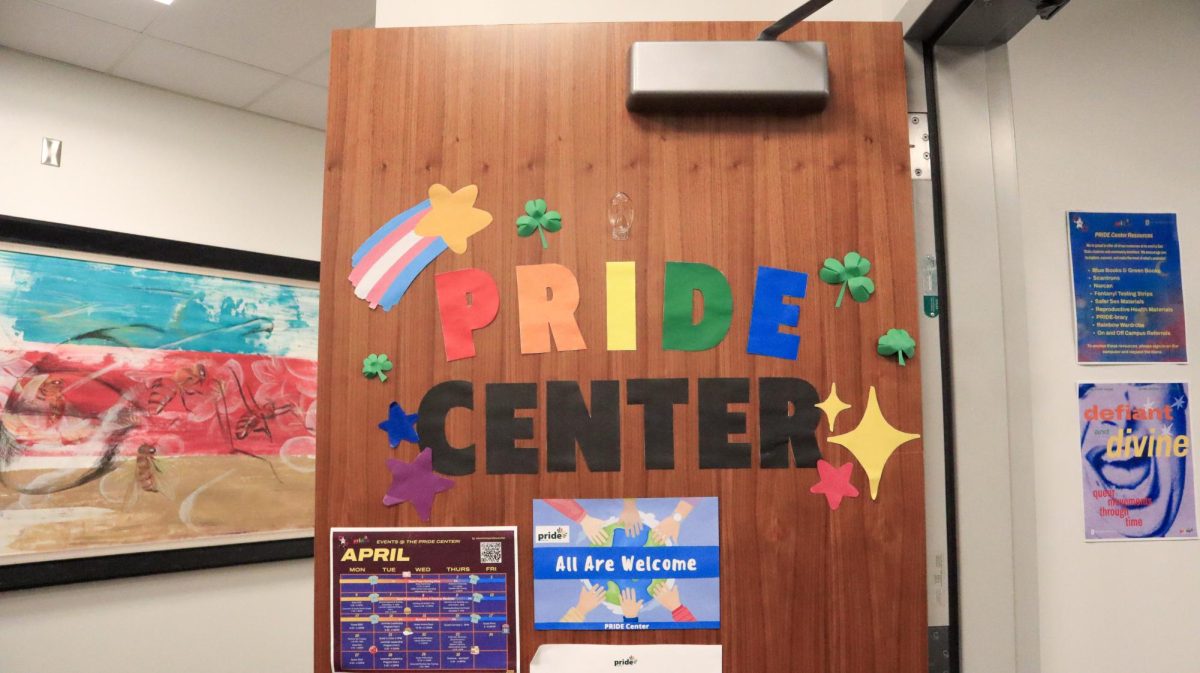
Hei Fok, director of the PRIDE Center, said the Day of Silence originated as a student-led form of expression focused on LGBTQIA+ experiences of exclusion. He said it has historically not been organized by the university but instead has always been driven by students and advocacy groups.
RELATED: PRIDE Center gives resources and support to LGBTQ+ students
“I remember when I was doing this Day of Silence more than 20 years ago. I was wearing a T-shirt that said, ‘Why am I not going to say anything today?’” Fok said. “People would see the shirt, and they would know not to engage in conversation with me or that I would not verbally respond.”
Fok said that, in earlier years, some schools across the country saw opposition toward those participating in the observance. Today, thousands of institutions nationwide registered as participants in the “Day of Silence.”
“There were opposition groups organizing counter activities, primarily coming from religious messaging, saying that schools should not allow students to use this as a form of protest,” Fok said.
The observance has been met with criticism from conservative and religious organizations across the country, arguing that homosexuality is sinful and harmful. Glisten said such opposition promoted a political message in school. Today, the movement takes a turn with some organizations urging individuals to speak up and rename the day “Day of (No) Silence.”
Tina Chen, a junior social work major, said they had not previously heard of the observance day. They said they wish there were more opportunities to learn about a day like this.
“It’s my first time hearing about it. Now that I know about this awareness day, I will be looking into it in the future,” Chen said. “There can never be enough advocacy, events and awareness, in general, but also on campus.”
Fok said that those who participate should consider using their voice to form a coalition and support others within the community.
“Students should feel supported and safe, and if they choose to participate, they should be visible about why they are participating,” Fok said.
Paul Gonzales, a freshman health science major, said he was not previously aware of the Day of Silence. He said he is saddened that it is not talked about more and that awareness is waning.
“I kind of feel embarrassed that I don’t know about it,” Gonzales said.
Gonzales also added that awareness could be improved. He said that there are low-cost outreach efforts on campus that should happen on days like this.
“Spreading the world like flyers or posters could be nice,” Gonzales said. “More people should know about it.”